Choosing a Skin Clinic in Harrogate: Ten Things Worth Checking Before Your First Appointment
Choosing where to have a skin or cosmetic treatment is a decision that deserves more time than most people give it. Online reviews and glossy photographs are helpful, but they only tell part of the story. If you are searching for a skin clinic harrogate people trust, the best way to decide is to know in advance what a good clinic looks like, what a good consultation feels like and which questions reveal how carefully a team works. Kliniken welcomes patients who arrive with plenty of questions, because well informed patients usually have the smoothest experience.
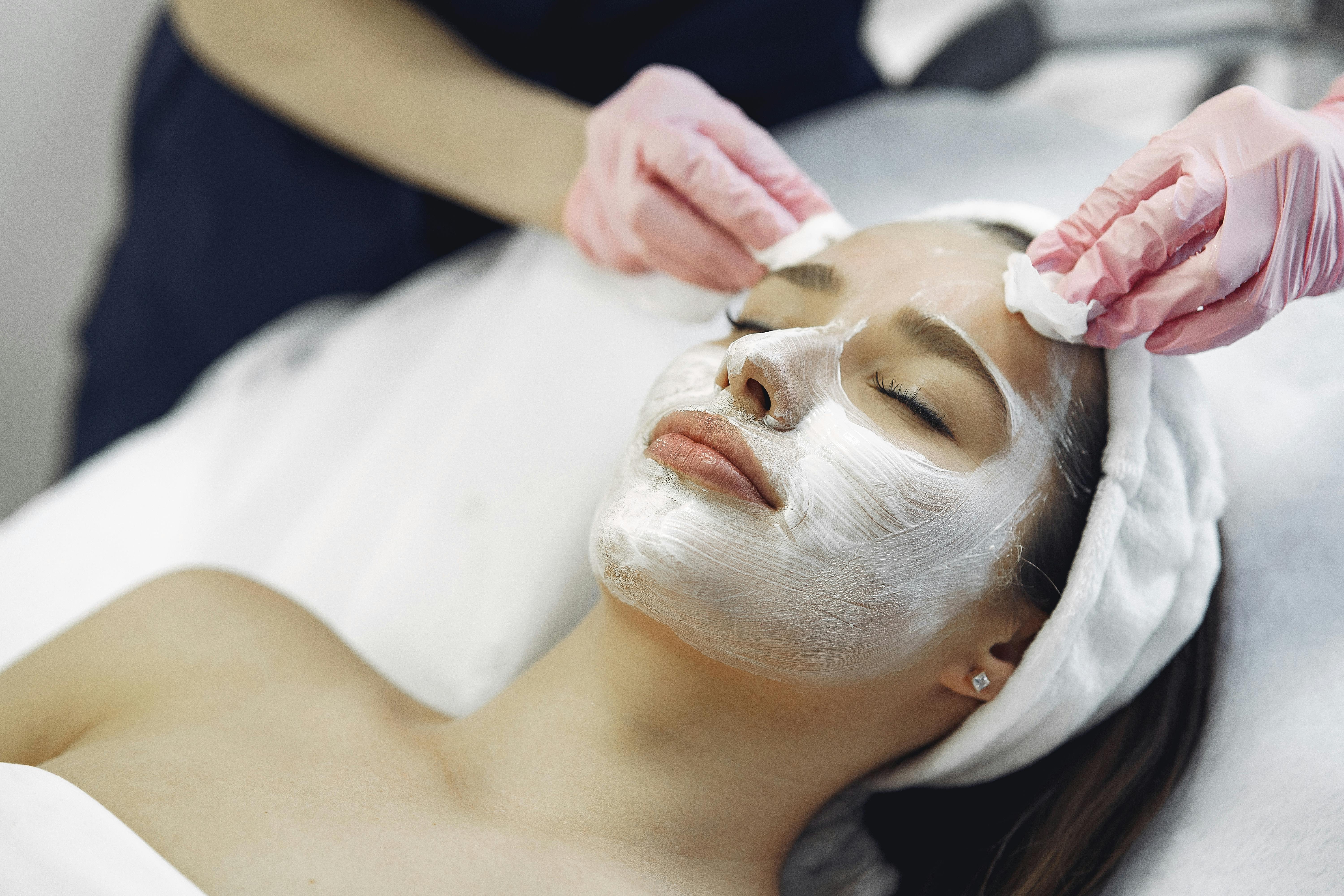
This guide is general information rather than medical advice. It is meant to help you prepare, compare and feel confident, whether you are considering a light skin treatment, a laser procedure or a surgical consultation.
Start With Qualifications and Regulation
It is worth saying why this matters so much. Skin and cosmetic treatments involve real physiology: how skin heals, how scars form, how different skin tones respond to light and heat. A practitioner who has treated many patients with a wide range of skin types will notice things a less experienced person might miss, and will adjust the plan accordingly. Ask how often the clinic performs the treatment you are considering, and what kind of results patients typically report. Specific, balanced answers are far more reassuring than confident slogans.
Begin with the basics. Who will examine you, who will carry out the treatment and what are their qualifications? A reputable clinic is open about the training and registration of its practitioners and does not hide behind vague job titles. For surgical procedures you should expect to meet the surgeon who will operate before you commit, not only a coordinator. For non-surgical treatments you should know who will perform each session.
Check whether the clinic and its professionals are registered with the relevant regulators in the United Kingdom, and whether the premises are inspected where required. These details are usually easy to find on a clinic website or in a short conversation. If answers are evasive, treat that as information.
Ask also about indemnity and complaints procedures. A good clinic can explain what happens if something does not go as planned, and how concerns are handled. Knowing this beforehand is reassuring, and it shows that the clinic takes responsibility seriously.
What a Good Consultation Feels Like
Many people feel nervous before a first appointment, and that is entirely normal. It can help to arrive early, to wear comfortable clothing and to bring a short written list of concerns. A good team will put you at ease, explain each step before it happens and invite you to stop and ask questions at any point. The tone of the first visit often reflects the tone of the whole patient experience, so pay attention to how you are treated from the moment you contact the clinic.
A consultation should feel like a conversation, not a sales presentation. You should be asked about your medical history, medication, previous treatments, lifestyle and what you hope to change. You should have time to describe your concerns in your own words, and the practitioner should listen before recommending anything.
Expect honesty about limits. A good practitioner explains what a treatment can and cannot achieve, how many sessions may be needed, what recovery involves and what the risks are. If someone promises perfection or pressures you to book on the day, step back. A caring clinic is comfortable with you going home to think.
Take notes, or bring a friend to listen with you. It is easy to forget details in the room, and a second pair of ears helps. Ask for written information to take home, including costs, aftercare and contact numbers for questions that arise later.
When you are considering procedures such as a tummy tuck, it can help to read about how the clinic approaches each option. The page on the mini tummy tuck in Harrogate explains who the procedure may suit and what a consultation covers, which gives you a feel for the level of detail you should expect.
Pricing, Aftercare and Follow-Up
Be cautious about prices that seem far below the market, and equally cautious about assuming that the highest price guarantees the best care. Ask what is behind the figure: the time allowed, the experience of the practitioner, the equipment used and the support after treatment. Some clinics offer a review appointment without extra charge, and some include the first aftercare products. Clarity about these details helps you compare like with like, and it avoids unpleasant surprises when the final invoice arrives.
Price is important, but it should be read together with what is included. Ask whether the quote covers the consultation, the treatment, any medication, dressings or garments, aftercare appointments and the cost of any further visits. A transparent clinic gives you a written breakdown and explains anything that may add to the total.
Aftercare is the part that people often underestimate. Find out who you can contact if you have a question at night or at the weekend, how soon you will be seen for review and what the plan is if you need extra support. For surgical and laser treatments, the days after the procedure matter as much as the procedure itself.
Think about practicalities as well. Where is the clinic, and how easy is it to reach for follow-up appointments? Can you take time off work for recovery? Do you have someone who can help at home? Planning ahead takes pressure off and lets you focus on healing.
Reading Reviews and Examples Sensibly
Another useful habit is to ask the clinic how it handles patients who change their mind. A confident, caring team is comfortable with a patient who decides to wait, or to try a gentler option first. It will also be open about when it would recommend against a treatment, since saying no is sometimes the most responsible advice a practitioner can give. That kind of honesty is a strong sign that your interests, not just the booking calendar, come first.
Reviews and before-and-after photographs can be useful, but read them with care. Look for patterns rather than single dramatic stories. Notice how the clinic responds to criticism, because calm and respectful replies say a lot. Be wary of photographs that use different lighting or angles, and remember that every person heals differently.
To see how a clinic talks about treatments in a balanced way, you may enjoy reading what laser skin resurfacing does and how to prepare, the guide to upper eyelid blepharoplasty and recovery and the overview of brow lift surgery in Harrogate. Each one shows the kind of questions a patient can bring to a consultation.
A short checklist to take with you. Write down your goals in one or two sentences. List your medical history and any medication. Prepare five questions about the treatment, three about recovery and two about cost. Note the names and roles of the people you meet. Ask for everything in writing. Give yourself at least a few days before deciding. If something feels rushed or unclear, ask again or choose a different clinic.
Trust your own judgement. The right clinic is the one where you feel listened to, where explanations make sense and where the team treats your decision as yours. Qualifications, transparency and aftercare matter most, and a calm, unhurried consultation is usually a good sign. Take your time, ask your questions and choose the team that makes you feel informed and comfortable.
If you would like to discuss your own plans with the team, you can arrange a conversation through the Contact Us page of Kliniken.


Comments
Post a Comment